Archive
Hands off: The role of whole-cluster fermentation
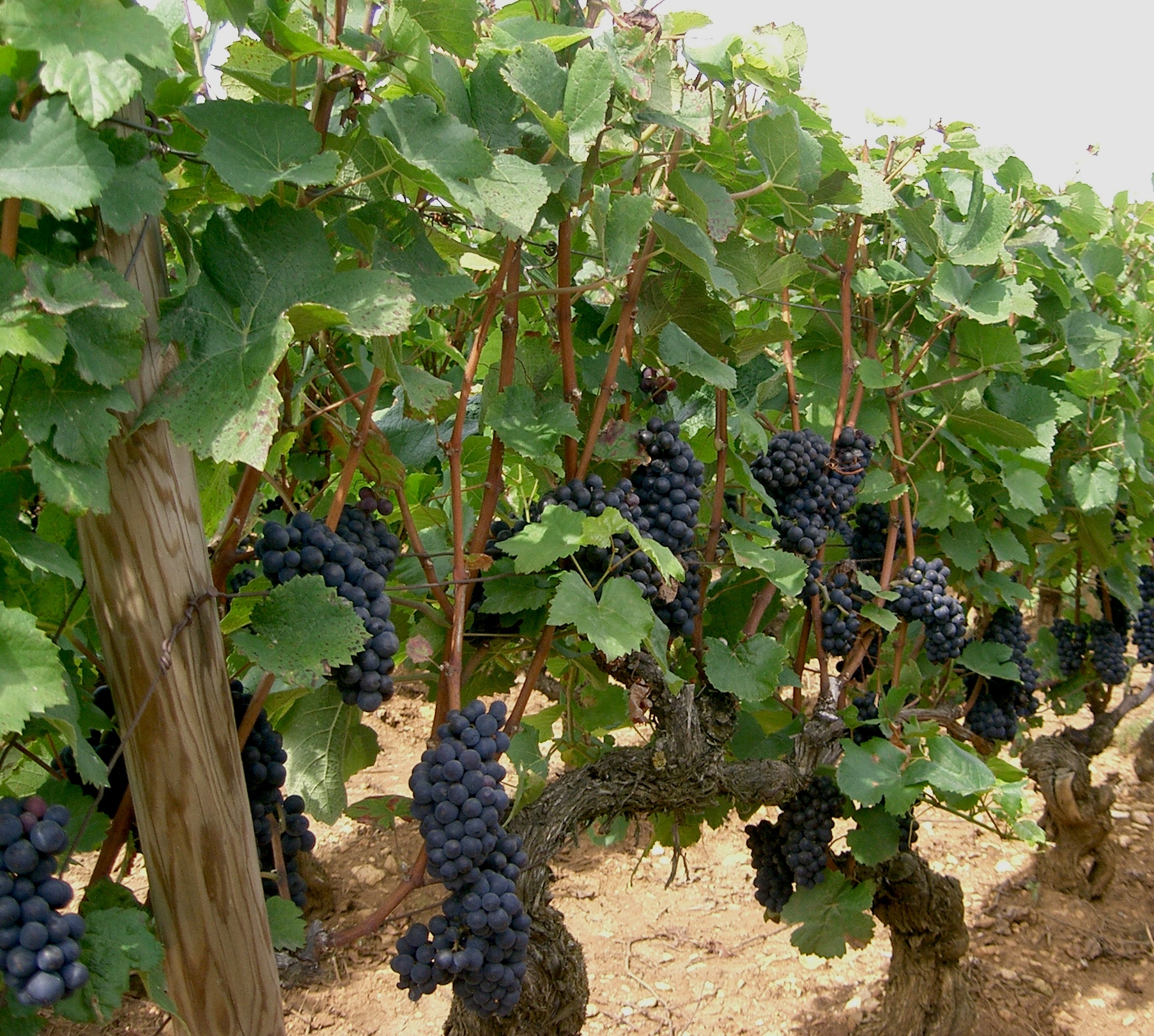
Clusters of pinot noir await harvest. Winemakers using whole-berry fermentation without de-stemming the clusters must wait until the stems are ripe or risk getting unwanted flavors in their wine.
A final note in our discussions of natural wines. One way of pursuing hands-off wine-making is through whole-cluster fermentation, also known as carbonic maceration.
In traditional methods, red winemaking begins with the separation of the berries from the stems, either by hand or mechanically.
The stems are removed since stems have a high tannin content (tannins also come from the skin and the seeds) and when unripe, stems can give the wine a green bell pepper or vegetative flavors.
But whole-berry fermentation entails putting entire clusters of unpressed grapes into the fermentation vessel and allowing the naturally occurring yeasts to ferment inside the whole berries.
The weight of the grapes on top crushes the bottom layers and those go through conventional fermentation (a good explanation here).
The technique certainly isn’t new and is even considered a bit rustic although it’s become more popular recently among makes of Pinot Noir an certain other varieties.
Grape producers have long known that if you store whole grapes in closed container, the weight of the upper grapes crushes the lower grapes and ambient yeasts acting on the juice at the bottom makes wine.
In its simplest form, the resulting wine is fruity with very low tannins, since the tannins are not released by the torture of a mechanical crusher.
These fruity, low-tannin wines can be ready for drinking shortly after fermentation (Beaujolais Nouveau usually hits the market less than six weeks after picking) but aren’t made for long-term aging, which requires tannins to help with the wine’s maturation.
According to winemaker Michael Browne of Kosta Browne Winery in San Sebastopol, Cal., trusting the intrinsic variables of whole-cluster fermentation is “a bit of a wild card depending on site and vintage.”
“When it works, it affects aromatics and flavors, sometimes in an earthy sense, sometimes in a vegetative sense, and sometimes in both way,” Browne said.
Which means – like the little girl with the little curl – when it’s good it’s lovely but when it’s not it can be an unwelcome handful.
“Some of the aromas and flavors I see are clean earth, green tobacco, unlit cigar tobacco, black or white pepper and snap peas,” waxed Browne. “Sometimes even cologne or agave. I tend not to like the snap pea or green profiles.”
San Francisco writer Jordan Mackay, in a post on a discussion about pros and cons of fermenting whole clusters of pinot noir (a varietal particularly favored for this technique), quoted the iconoclastic Jim Clendenen of Au Bon Climat in Santa Barbara, Cal. as saying, “Stems mature into earth, leaves, forest floor, everything we love about pinot noir.”
Another Pinot Noir maker, Ehren Jordan of Failla (Sonoma Coast), described whole-cluster fermented wine as “a closed fist.”
With wines that were made only from whole berries “you see it all,” said Jordan. “With whole cluster there is more potential.”
And Jamie Kutch of Kutch Wines in Sonoma, Cal., a long-time advocate of stem inclusion, told Mackay the stems add an important texture not found in stemless fermentation.
“There are compounds found in stems that you don’t find in the fruit and seeds,” said Kutch.
Writer Jamie Goode on his site Wineanorak.com reported Jeremy Seysses at Burgundy’s Domaine Dujac uses between 65 percent and 100 percent whole cluster fermentations depending on the blend.
“We have the feeling that we get greater complexity and silkier tannins with whole cluster fermentation,” Seysses told Goode. “In high acid vintages, it helps round things out, and in high ripeness vintages, it brings a freshness to the wines.”
But because the final results are so variable, many winemakers echo Micheal Browne’s concerns about herbaceous flavors from adding the stems.
This is especially so if the stems are damaged and somehow their green tannins get into the wines.
On the other hand, if the stems are mature and the clusters are never crushed, pumped or damaged in any way to avoid the release of juice from the stems into the wine, the resulting wine can be enhanced by whole cluster inclusion.
In the same article noted above, Australian winemaker Tom Carson of Yabby Lake told Goode that he hasn’t yet decided on his use of whole bunches, his comments reflective of one of the choices winemakers face when deciding on their personal wine-making philosophy.
“I am still experimenting, and I’m reluctant to go in too hard,” Carson said. “When it’s good, whole bunch fermentation gives fragrance and perfume, and adds a bit of strength and firmness to the tannins. But when it’s not good it can dull the fruit, adding mulch and compost character.”
Rising to the occasion: A yeast bug in your wine
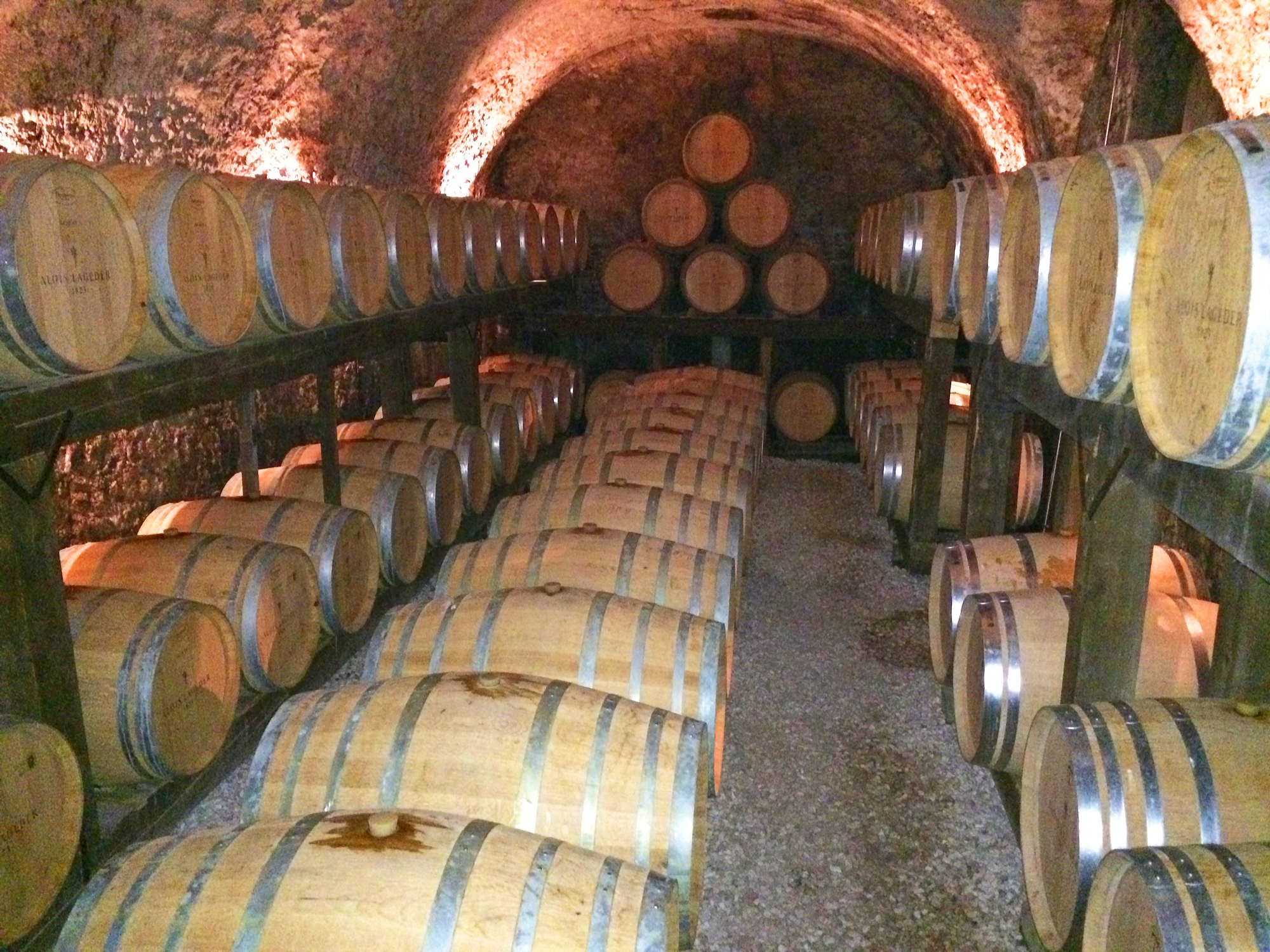
With the right yeast, and enough of it to complete fermentation, someday there will be a finished wine in these barrels.
For most wine drinkers, the role of yeast in winemaking can be whittled down to the basics of fermentation: yeast eats the sugars in the grape juice and gives off ethanol alcohol, which is safe to consume in moderate amounts.
‘Nough said, open that bottle.
Last week, when discussing what are called “natural” wines, it was mentioned that some winemakers, in their desire not to add anything to the finished product, depend on naturally occurring yeasts on the grapes or in the winery to ferment their grapes.
Ripe grapes and other fruit have natural yeasts on their skin and as long as the skin isnt broken, fermentation doesn’t happen.
Crushing the grapes at the winery releases the juice, which the yeast eats and fermentation begins. Some anti-additive winemakers seek spontaneous fermentation by simply piling whole berries in the fermentation tank, where the weight of the upper layers squeeze the lower ones.
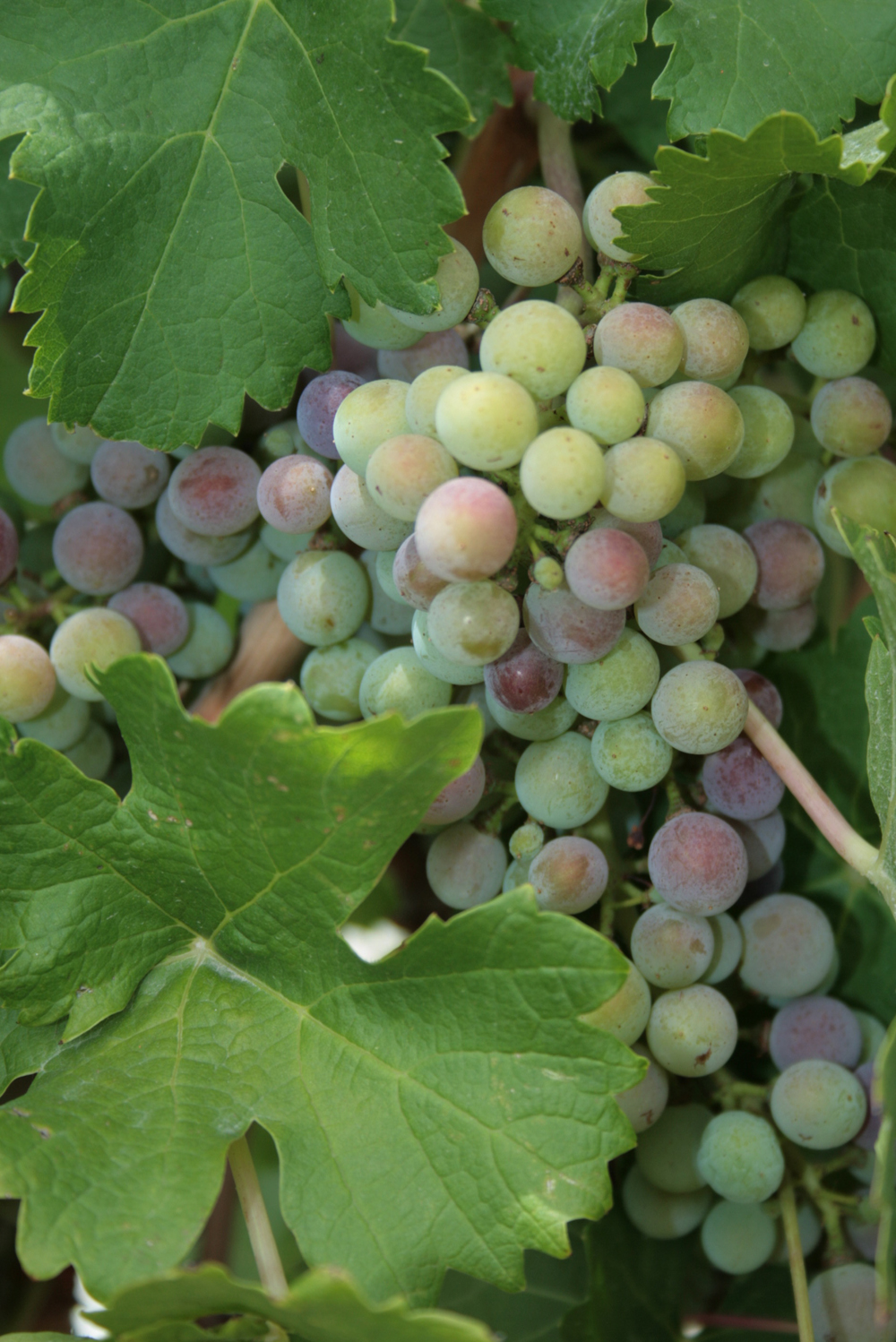
All ripe grapes have natural yeast on them; the only question is if it’s enough to complete fermentation.
They are betting there are enough yeasts either on the grapes or in the winery to take the juice all the way to the preferred level of dryness (a wine is completely dry when all the sugar has been converted to alcohol).
There are problems with that, said Stephen Menke, state enologist from Colorado State University and the Orchard Mesa Research Center, because not all yeasts are equal in their ability to start and complete a fermentation.
Menke said many native (or indigenous) yeasts are affected even by small amounts of the alcohol they produce and die before fermentation is finished.
If the yeasts die before all the sugar is consumed to the desired level of dryness, you get what’s called a “stuck” fermentation.
“What we call indigenous yeast bacteria are not very alcohol tolerant and may be involved in the earlier part of the fermentation process but not finish it,” Menke said.
As Menke noted, there are reasons other than alcohol levels for a stuck fermentation, including a lack of nitrogen or powdery mildew or even a killer yeast that takes over from the natural bugs but then topples.
If there is enough of the right yeast in the vats or winery to take over, you’re in luck. Many older wineries in Europe, where equipment has been used for generations, can be havens of yeast bugs, and have so much yeast on the walls and in the tanks there rarely are problems with stuck fermentations (that also contributes to a consistency in flavors but that’s for next time).
Not so in the high desert of western Colorado and elsewhere where generally low humidity and relatively new (and clean) equipment don’t foster microbial growth.
But when fermentations stick, winemakers have an ace in the hole.
That ace is our (mostly) alcohol-tolerant and fermentation resistant yeast, Saccharomyces cerevisiae.
Archeologists tell us winemakers in Armenia and China may have relied on naturally occurring Saccharomyces cerevisiae at least 6,000 years ago because it has the key attributes needed for fermentation–a tolerance to high sugar, elevated acidity and high alcohol levels.
Writer, wine blogger and scientist Erika Syzmanski, in a March 10, 2013 post on the online wine magazine Palate Press, said, “This is part of why ‘natural wine’ and ‘wild fermentation’ are slippery terms.  inemaking practices have been influencing yeast survival for millennia. No yeast that finds its way into a winemaker’s vat, in this age, has been untouched by human domestication.”
Syzmanksi also points out Saccharomyces cerevisiae is the only yeast to be named a state microbe.
Winemakers today have hundreds of commercial Saccharomyces cerevisiae yeast options, most of them developed by a lab or a company to achieve specific results in the finished wine.
Finding the right yeast is a step toward finding that elusive balance in flavor and texture, Menke said.
“That dynamic balance is very hard to control, it’s always changing, “ he said. “That’s why people play around with blending different grapes or experiment in using different types of oak or how much oak, and the kind of yeast they use.”
When the topic of ‘natural’ turns to wine
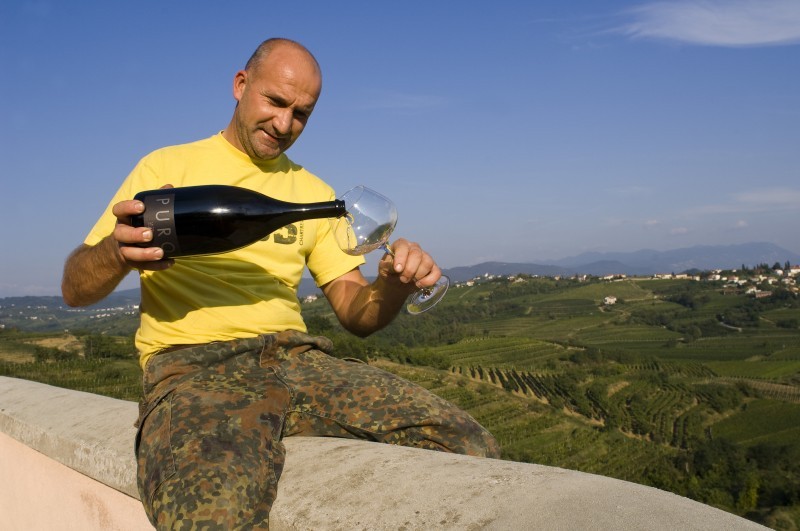
Iconoclastic Slovenian winemaker Ales Kristancic of Movia is an innovative winemaker renowned for his visionary techniques, which include long aging, no additives and no manipulation.
I was breaking down some boxes for recycle when the lettering on one caught my eye.
“Natural wine,” it read. “No sulfites.”
An interesting claim, if true.
First because the federal government, which regulates winemaking and labeling, has no official definition of a “natural” wine, although many people would like to make and drink them; and second, because you can’t make a wine without sulfites.
You can make a wine without adding sulfites, which is what makers of “natural wines” and organic/biodynamic wines claim to do, but sulfites occur naturally in grapes, so at best what you can have is a low-sulfite wine.
I’m not a winemaker, nor am I a chemist or scientist, but I am a wine drinker and like most wine drinkers I have an interest in what I put in my glass and my body.
I’ve heard the claims about natural wines and also the complaints about so-called red wine headaches, which many people attribute to sulfites.
Probably not true, unless these people are among the 2 percent or less of Americans with a true allergy to sulfites, which occur not only in grapes (white wines often have more sulfites than red wines) but in many fruits and vegetables.
Do you also get an apricot headache?
More likely, according to recent research, a headache is a reaction to the histamines, also naturally occurring, in grapes.
Take an antihistamine before you drink a red wine and see if that helps your headache.
Sulfur/sulfites is a preservative, helping to keep fruit fresh and prevent oxidation.
Take a bit out of an apple, stick the apple on the counter and come back in an hour.
It’s brown, it’s oxidized. And probably doesn’t taste quite as good.
Sulfites, which are a natural byproduct of fermentation, help keep wines from oxidizing, retaining the fruit and helping the wine age (tannins and acids also aid in aging gracefully, at least for wines).
The government requires winemakers (and other food manufacturers and processors) to label their wines “sulfites added” when sulfites exceed 10 parts per million, which is about the upper level you’ll get without adding sulfites.
Small amounts of sulfites are generated by the yeasts used in making wine, but more sulfites usually are added as a preservative — more in white wine than red, because the reds’ tannins help to preserve them.
Sometimes a lot of sulfur is added – the government allows up to 350 ppm sulfites.
One of the complaints about “natural” wines, those with fewer than 10 ppm sulfites, is their short shelf life, which sulfites extend, and the rapid disappearance of the fruity flavors of the wine.
Natural wines tend to be drunk young, very young, within a day or so of opening and within a year or so of bottling.
The difference between organic wines and natural wines is what happens once the grapes reach the winery.
“Because you are an organic winemaker does not mean you are a ‘natural’ winemaker,” Paul Grieco said last month during his seminar on natural wines at the 2014 Food & Wine Classic in Aspen. “Being a natural winemaker means what happens when we get into the winery.
“You think wine is just grapes? Well, it ain’t just grapes.”
It may be chemicals, colorings, yeast, egg whites, diatomaceous earth, flavors, a witch’s brew of thing other than grapes.
Organic wines have to be made from organically (or biodynamically) raised and processed grapes.
Natural wines tend to be made from organic or bio grapes but not always, and again, it’s what happens in the winery (where the sulfite, the yeasts for fermentation and other chemicals may be added, at any of various stages of conventional winemaking) that decides if a wine is “natural” or not.
“Here is what I, and it’s just me talking, think a ‘natural’ wine should be,” said Grieco, owner of the Hearth Restaurant and Terroir chain of wine bars in New York and who last year was named the second-most influential wine person in New York City, behind Eric Asimov, wine columnist for the New York Times. “The fruit in the vineyard should be at least organic, the harvest must be manual to give you pristine fruit, only indigenous yeast – that occurring on the grapes or in the winery – can be used, no cultured yeast at all, no fancy equipment is used in the winery, no flash pasteurization, no reverse osmosis or all the other (stuff) that’s going on.
“And nothing is added, maybe (allow a threshold of) up to 30 parts per million sulfur, and finally it’s bottled unfined and unfiltered.”
It’s not impossible, but it isn’t easy.
Taking one for the (Riesling) team at the Food & Wine Classic
ASPEN – I’m not sure John and Jan Stenmark traveled from Jackson,, Miss., to the 2014 Food & Wine Magazine Classic in Aspen to get a Riesling tattoo, but that’s how their second day at the Classic began.
Sitting quietly, waiting for Paul Grieco of Hearth and Terroir restaurants in New York to begin his seminar on Rieslings, and before they could react, there was Grieco with a devilish grin, wet towel and handful of stick-on tattoos.
“We sure don’t have anything like this back home,” said John, a self-described “retired but not retiring” fan of Riesling and the F&W Classic. But a listener wasn’t sure if his remark referred to Grieco’s unexpected offer or just the F&W Classic in general.
Jan looked at the bold black letters running up her right forearm and smiled. a bit weak, perhaps, but still a smile.
“Do you think it will come off?” she asked quietly, and mentioned something about grandchildren seeing her come home with a tattoo.
Such was Day 2 of this year’s Aspen Classic, a day in which Bobby Stuckey of Frasca Food and Wine in Boulder assured his audience that in the world of winemaking, “Nature always bats last”; wine writer Ray Isle offered his audience the chance to blind-taste wines of different prices and ponder, “Why do we pay what we pay for wine?” and Mark Oldman helped answer Isle’s question by hosting a seminar titled “Wines for IPO Millionaires,” which featured a 2004 Dom Perignon Champagne and an 1872 Madeira.
And that was just part of the wine segment; there was an whole ‘nother world of food seminars and cooking demos.
In one of the cooking tents, chefs John Shook and Vinny Dotolo of Animal restaurant in Los Angeles defended the use of foie gras in their seminar “You want me to Eat What? Nose-to-Tail Meets Uncharted Waters.”
“We believe in foie gras,” said Shook of the controversial dish made from the liver of specially fattened ducks or geese.
And nearby, cheese expert Lauren Werlin was pairing her favorite cheese with sparkling wines while in the cooking tent cookbook author and Chef Micheal Chiarello was sharing his “Meatball Master Class.”
It was another busy day at the Classic, which winds up Sunday with the ever-popular Classic Cook-off, more seminars and the always entertaining Grand Cochon finals, the culmination of a 10-city tour where local chefs are tasked with using as much as possible from an entire Heritage Hog.
No day at the Food & Wine Classic is a typical day, for there always are new wines, new foods and even new tattoos to keep you entertained and exhausted.

Summer Camp for Foodies – Day One at 2014 Food & Wine Classic
It’s Day One of the 2014 Food & Wine Classic in Aspen, the start of the annual Summer Camp for Foodies.
Just like the summer camp you remember, this weekend is the time you greet friends from years past and make new friends for the future years. You won’t spend much time at this camp doing arts and crafts, unless trying new wines and sampling the best of the F&W’s Best New Chefs will count.
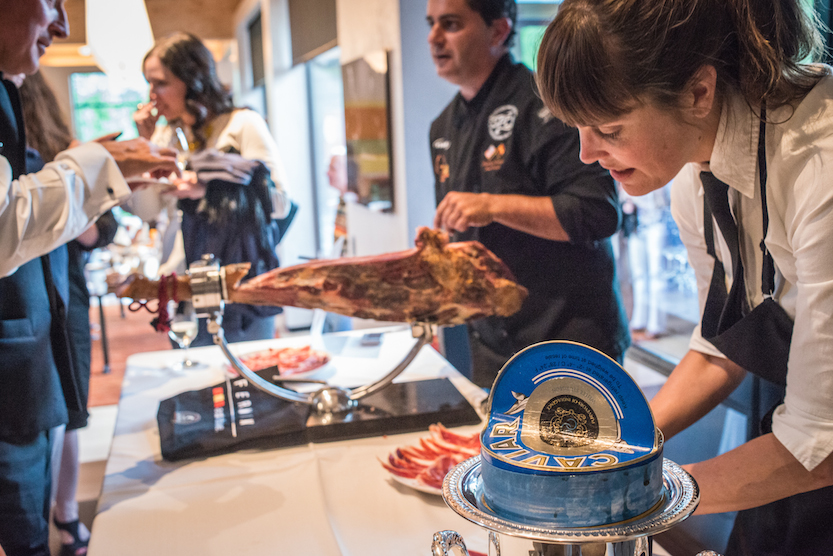
What a way to start the 2014 Food&Wine Classic in Aspen: A party at Casa José, where you were served “Tacos José”of Fermin jamon and Beluga caviar.
Everyone rolled into town yesterday (Thursday), and it seemed as if all 5,000 of the expected attendees spent the evening at Casa Jose Andres,where the renowned Spanish chef holds his annual barbecue and wine tasting.
But to call it a ‘barbecue’ isn’t quite enough, since there are whole pigs roasting over open fires, wines red and white from every region of Spain and seemingly every chef in Andres’ international chain of restaurants serving such delights as Tacos Jose, a deceptive name for tapas which are nothing less than thin-sliced Fermin jamon wrapped around Beluga caviar.
The setting alone, an immense, stone-and-wood private home just off Brush Creek near Snowmass Ski Resort, was enough to wow the guests, and by the time the limousines were lined up for the ride home, there was a giddiness in the air even the finest Spanish wines couldn’t match.
The seminars, Grand Tastings and cooking demos begin today, with another round of invite-only events tonight and well into the morning.
It’s a hilarious, invigorating and body- and soul-inspiring weekend. All that and the chance of hangover or two.
Let’s get started.
Testing the waters in northern Italy
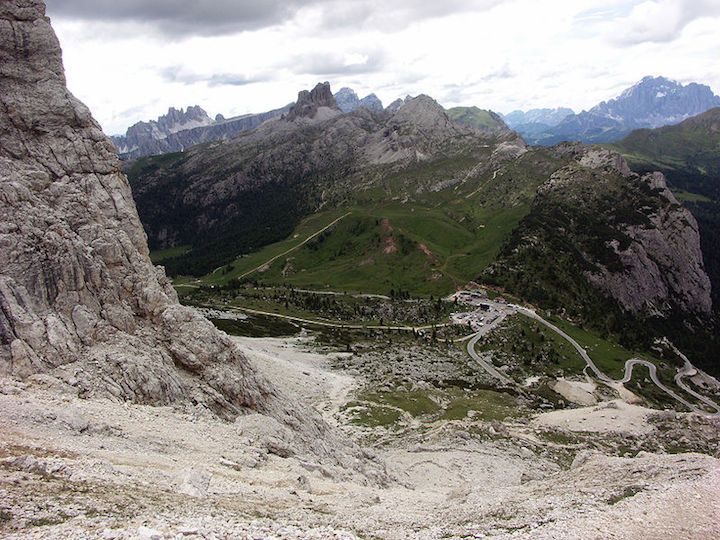
Falzarego Pass in the province of Belluno in north Italy connects Andráz and Cortina d’Ampezzo and is characteristic of the high mountain birthplace of Italy’s crystalline spring water.
It’s the water.
Readers of a certain age will recall a famous beer commercial with those words extolling a then-popular malted beverage.
The theory being, of course, that having a superior water source somehow made for a superior beer.
I’m not sure how that works, since I never tasted the water at its source (although I had some limited experience with the final product).
However, I can attest that drinking water without chemical additives for purification, without high levels of distorting minerals or the teeth-numbing metallicity that comes from running through rusty pipes, can be a mind-opening experience.
Most Americans (by which I mean in the U.S.) drink plain tap water, of which in most cases there is nothing wrong. You can even get charged for tap water in some “gougé” restaurants, but that’s your fault.
Other countries, however, more often drink bottled water, either by choice or necessity. I asked a friend, a lovely chef from Parma, why Italians predominately drink bottled water even when the tap water is safe (except on trains).
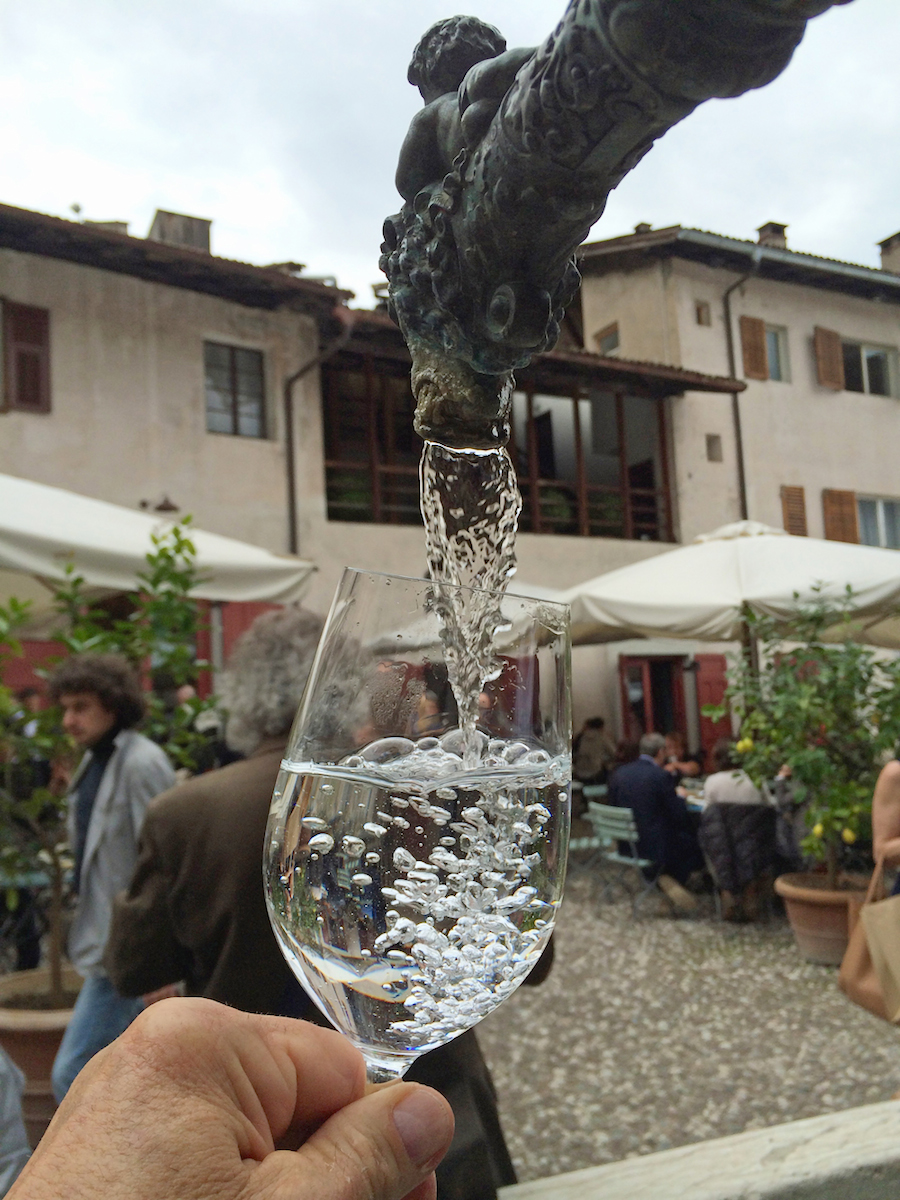
The ever-flowing spring at Alois Lageder’s Cassón Hirschprunn in Margé, Italy.
She looked at me as if not understanding the question.
“It’s because we have so many great springs,” she said at last. “Why drink treated water?”
Why, indeed?
Every place you go people are opening bottled water; particularly in northern Italy, close by the Alps and the Dolomites, where natural springs bubble nearly everywhere and are tapped wherever there is room to install a bottling plant.
It’s said even Roma has good water, since it’s taps are filled by water piped from the north.
Which brings us, in a roundabout way, to the recent Summa 2014, a gathering of winemakers held last month at the 17th-century palazzo of Alois Lageder in Magré, Italy.
As in way north Italy, where the Alto Adige (or All’ Adige, if you are local enough) snuggles against the Dolomites and pure spring water is abundant as fresh air and eye-popping scenery.
One of the first things you see upon entering Lageder’s stone-walled courtyard is the eye-catching spring filling a trough the size of a small Fiat.
The Lageder family history is intertwined with the natural water; the family summer home, Villa Lageder in the South Tyrolean mountain village of Sarentino/Sarnthein, also has a historical spring.
The wines shared at Summa reflect that freshness and purity found in the water and Lageder’s own philosophy of “respect for nature, appreciation of the surrounding environment, and responsibility to future generations.,” as his website notes.
As I wandered the two-day event, talking to wine-makers and tasting their wines, I asked them how much their wine philosophy was inspired by their personal terroir.
Many of them echoed the words of renowned Prosecco maker Primo Franco, who effused about how your mouth and palate are pampered and developed by drinking clean water.
“No question a person’s palate is better when it isn’t maltreated,” he said.
That coddling of the palate is evident throughout Summa, where Lageder’s constant spring proved an ideal way to start anew each session in the tasting rooms.
Making the most of an ancient grape
Tezze di Piave, TV, Italy – When I first met winemaker Antonio Bonotto, of Tenuta Bonotto Delle Tezze, he looked like anything but a renowned winemaker continuing a family tradition almost 400 years old.
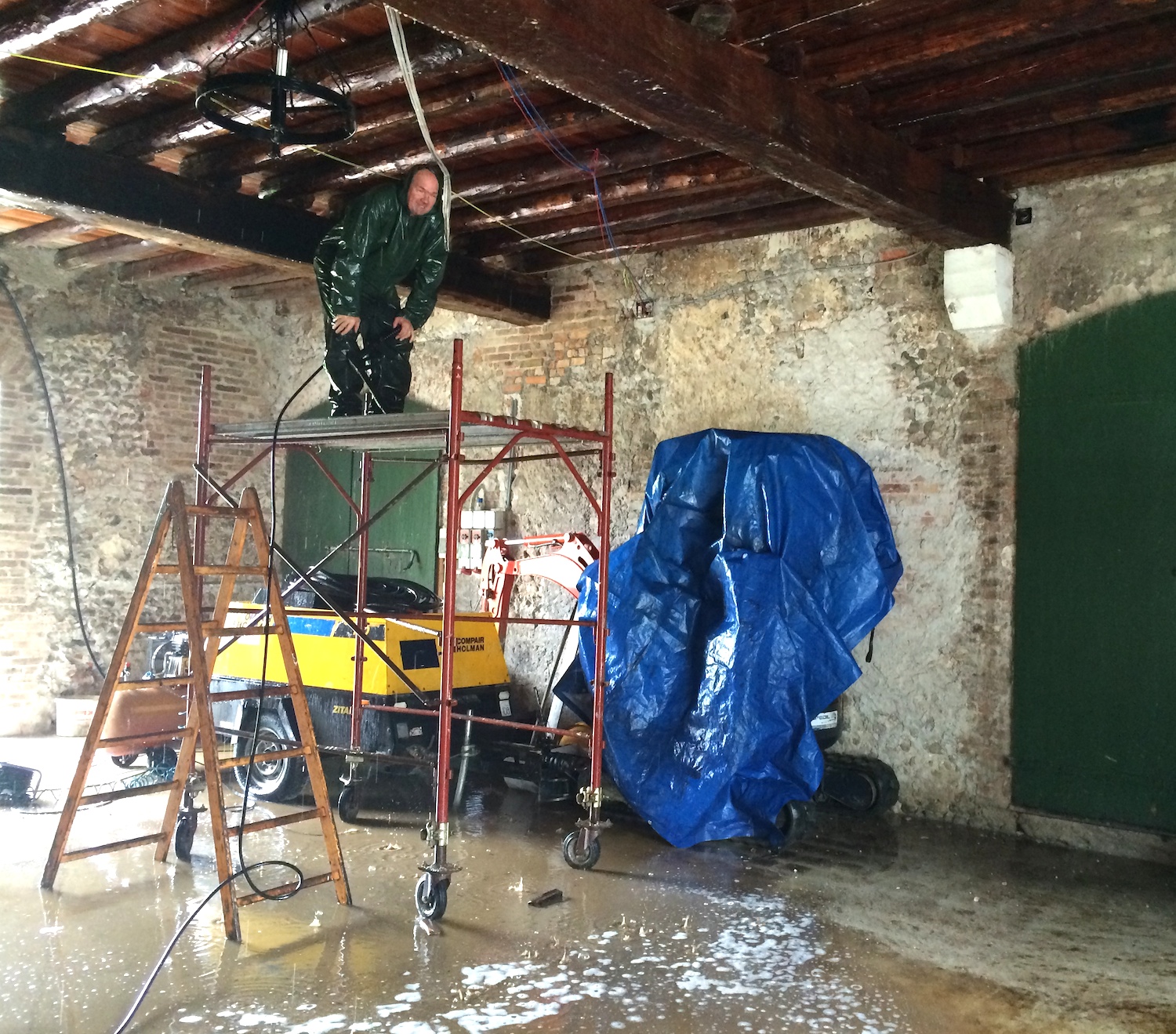
Winemaker Antonio Bonotto making something new out of something very old.
Instead, dressed head-to-toe in a forest-green rubber suit and standing on scaffolding 12 feet high, Bonotto was diligently power-washing 400 years of grime off the walls and ceiling of the ancient, heavy beamed space where grapes once were delivered by horse-drawn wagon and making the room into a new tasting room/reception area.
For the moment, Bonotto was making it rain harder inside than out.
I was with my friend Patrick Caseley of Trevignano and when Bonotto recognized Patrick, the oenologist called out, “Hey, Patrick, welcome,” and crawled down from the high rise.
“You caught me at a bad moment, I’m really working,” he said, shutting off the sprayer and walking to us.
It didn’t seem he was very dry, in spite of the rubber suit, and specks of grime dotted his smiling face
“But I’m quite happy to quit for a moment, this is hard work,” he said. “You probably don’t want any photos of me right now.”
He laughed and brought us a treasure found in the walls during the ongoing renovation.
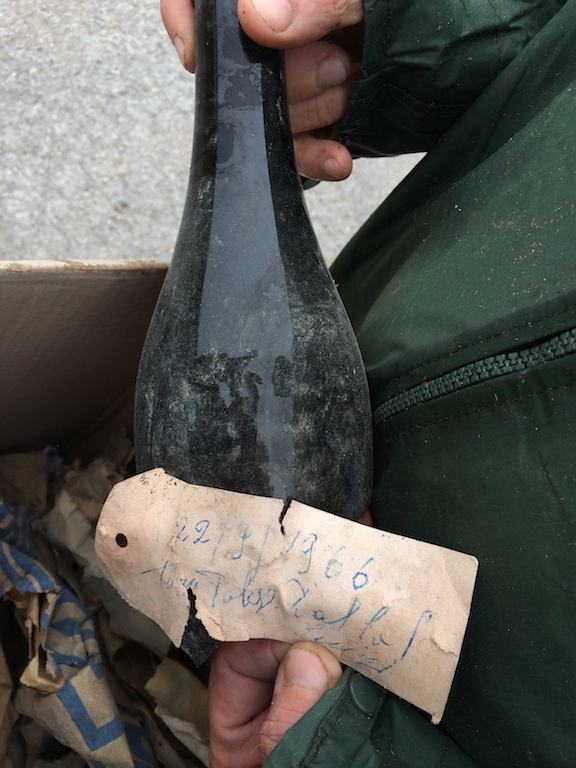
This bottle of 1966 Raboso del Piave was hidden in a wall by Antonio Bonotto’s father nearly 47 years ago. It was broken when recent construction uncovered it.
“It is, or it was, a bottle of wine my father put in the walls in 1966, when he was doing some remodeling,” Bonotto said.
He showed us a broken bottle, still bearing a hand-written label with the date 22/9/1966.
“One of my workers was inexperienced with a machine and he wasn’t able to stop in time to save the bottle,” said Bonotto, shrugging. “Too bad, it would have been nice to have it whole. My father made this wine.”
Bonotto’s family has lived in the Tezze area since at least the 1400s and for centuries the family rented farmland from the local monastery and paid their rent with wine.
The commercial winery began in the 1800s and today Tenuta Bonotto makes a line of still and sparkling wines, including a delightful Prosecco DOC (he’s just outside the Prosecco DOCG zone) in brut and extra dry and a refreshing Novalis, made of 100 percent Manzoni Bianco, with hints of oranges, apricots and a stony minerality derived from the soils and waters washing down from the nearby Dolomites.
He’s particularly proud of his Raboso del Piave-based wines.
It’s an ancient grape, Bonotto said, with ancient records indicating this indigenous grape, considered the “king of wines” by Venetian aristocracy, having been vinified since the 800s.
“The real distinctive characteristic of this grape is the acidity,” Bonotto said. “Normally, when a grape ripens the sugars go like this (moving his hand in an upward arc) and the acidity goes like this (a downward arc). But with Raboso, the acidity gives you this,” and he drew a straight line.
It’s that straight-on acidity that deters many winemakers who don’t understand how to make wines with Raboso, Bonotto said.

Vittoria Bonotto, wife of winemaker Antonio Bonotto, selects a bottle of Bonotto delle Tezze Raboso del Piave Potestá for a guest.
“It’s not something you can eliminate, so you learn to work with it,” he said. “Or not.”
When vinified as a sweet wine, the acidity balances the sugars, the result being a sweet wine with “nerve,” as Caseley said.
That bottle of his father’s wine from 1966 may still have been drinkable, given Raboso’s acidity, and the current Bonotto rued not being able to see how it might have aged over nearly 50 years.
With his wife Vittoria, we tasted Bonotto’s 2009 Potestá Raboso del Piave DOC (100 percent Raboso Piave) and found hints of violets and roses on the nose with spice, licorice and a pleasing bit of earthiness and minerality.
He also makes a Raboso Passito, its grapes dried naturally for four months before vinification, and a Raboso Rosato Frizzante, bright and indulgent in fresh red berries and cherries.
“This is the blessing of this grape, you can make so many different wines from it,” Bonotto said. “It’s a pity because we have so many other varieties here we don’t focus on Raboso. It’s really a marvelous grape.”
Wine of the week – Bodega Castro Martin 2012 A2O Albariño Sobre Lias
The memory of the sub-freezing temperatures earlier this week was put to rest with today’s unrelenting warmth and the forecast of temperatures in the 80s this weekend.

The Bodegas Castro Martin 2012 Sobre Lias Albaiño
Just right for a bit of gardening, maybe a tour on the bike and a chilled white wine on a shady deck.
Thanks to Cornerstone Communications Ltd., which represents the Spanish wine region Rias Baixas DO, I’ve been able to taste a selection of Albariños and this week’s wine comes from that package, the Bodega Castro Martin 2012 A2O Sobre Lias Albariño.
The name is pronounced “A to O,” which happen to be the first and last letters of “Albariño,” and spelled with a tilde over the “2” to make the connection.
The original bodega dates from the 1880s and in 1981 the winery and vineyards were purchased by current owner Domingo Martin Morales who installed stainless steel tanks (quite revolutionary back then but industry standards today) and built a new, multi-level winery.
This top-to-bottom processing helps reduce the need for pumping the juice, must and lees and cuts down on over-handling the wine.
Up to 2002 Bodegas Castro Martin made only one Albariño, the well-known Casal Caiero, but under the thoughtful management of Angela Martin, daughter of Domingo Martin Morales, there now are four wines, all albariños, each blended to take advantage of the different characteristics found throughout the bodega’s various vineyards.
The soils in this cool, maritime climate of northwest Spain are mineral-rich sandy loam overlaying granite and quartz. All of which contribute to the sharp minerality, floral/citrus aromatics and crisp acidity that makes these such great food wines.
Bodega Castro Martin labels the A2O “Sobre Lias,” signifying it ages for six months on its lees, adding complexity and character to the wine.
The website says the eye-catching label is designed for placement in wine bars, restaurants and regular bars, where it’s aimed at the younger wine drinkers looking for a food-friendly, low-alcohol wine.
There is citrus, pears and white flowers on the nose, with lime, ripe pears and that touch of Gallician minerality holding it all together.
Price is around $15.50. Imported by Frederick Wildman and Sons, N.Y.
Tapping a few barrels on a rainy spring weekend
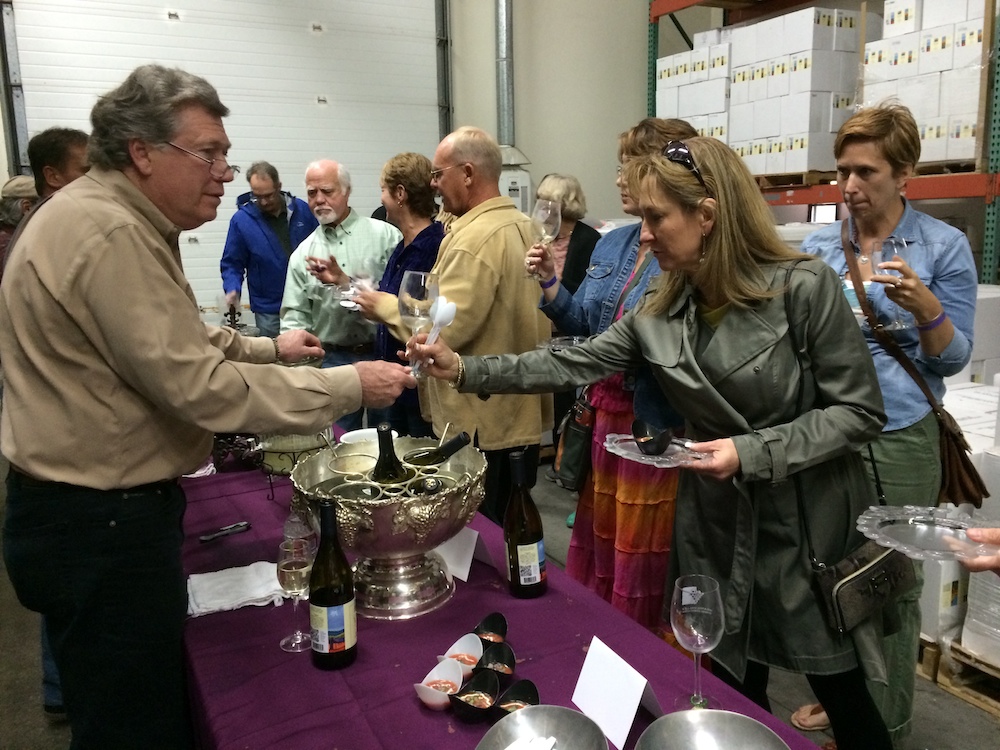
Steve Smith of Grande River Vineyards serves some of his 2011 Viognier to Kassie Breshears of Palisade during Saturday’s Spring Barrel Tasting event sponsored by the Grand Valley Winery Association.
A decidedly chilly weekend saw the first installment of the two-part 2014 Barrel into Spring wine tasting, which wrapped up Sunday with one more weekend set for May 17-18.
This is the season opener for the eight wineries belonging to the Grand Valley Winery Association, a vestige from the time when this valley had only eight wineries (it’s double that number, now).
More than 275 wine enthusiasts were out Saturday in spite of the occasional rain in the east part of the valley, and I know that because Steve Smith of Grande River Vineyards bothered to count.
“I like to say we get between 250 and 275 people on the first day,” said Smith, late Saturday afternoon. “I just looked at the numbers and we’ve had 281 today.”
It probably was closer to 290 by the time the event was done at 4 p.m.
Tickets are limited to 400 each weekend and as usual this event sold out in February, with a waiting list for the second weekend.
“We were pretty swamped (Saturday morning) but today it’s still pretty quiet,” said Sue Phillips, owner of Plum Creek Cellars, in the firsthour or so of Sunday’s open house. “But Sunday always starts slow.”
The wine event is developing a foodie side to match the interesting wines each winemaker decides to highlight.

Chef Jill Peters brought a Thai-style approach to the menu she matched with Grande River Winery wines during the first weekend of the 2014 Spring Barrel Tasting event.
There’s a sense each year the wineries are taking their food pairings up a notch, and this weekend was particularly good.
Chef Jill Peters (daughter of Naomi and Steve Smith at Grande River) has been preparing food pairings for Grande River for 11 years and this year, among her selections, she went with a Thai-inspired watermelon-miso soup to pair with the viognier the winery was pouring.
She matched the winery’s 2011 Malbec with a smoked duck breast Banh Mi sandwich and the 2009 late-harvest Viognier with a lemongrass galangal (a type of Thai ginger) soup.
Over at Plum Creek, Sue Phillips did all the cooking.
“I just grabbed a recipe out of the Julie Childs cookbook,” she said with laugh. “Then, I made ‘Whatever Sue likes.'”
Apparently Sue Phillips like such things as sun-dried tomato tapenade on ciabatta wedge (paired with Plum Creek’s 2011 Merlot); pistachio paté (2012 Chardonnay); and Duck a L’Orange on a buttermilk polenta pancake (2011 Cabernet Franc).
By the time I waddled over to Carlson Vineyards for the marinated Colorado lamb grilled by Brunella Gualerzi of il Bistro Italiano, there wasn’t much room or time left.
“We come back here every year, just for the lamb,” said a woman heading off to the tasting table with a plate in one hand and wine glass in the other.
Gaulerzi, who’s had her restaurant in downtown Grand Junction for 16 years, just smiled and pulled her coat collar a little higher to ward off the unseasonably chill wind.
“What are the other wineries doing?” she asked a visitor. “I never get to the other wineries because I’m here all the time.”
I’ll cover some of the notable wines in the next post.
The other wineries belonging to the Grand Valley Winery Association are Canyon Wind Cellars, DeBeque Canyon Winery, Garfield Estates Winery, Graystone Winery and Two Rivers Winery and Chateau.
Spring in Magré – Elegant wines in a 17th Century Palazzo
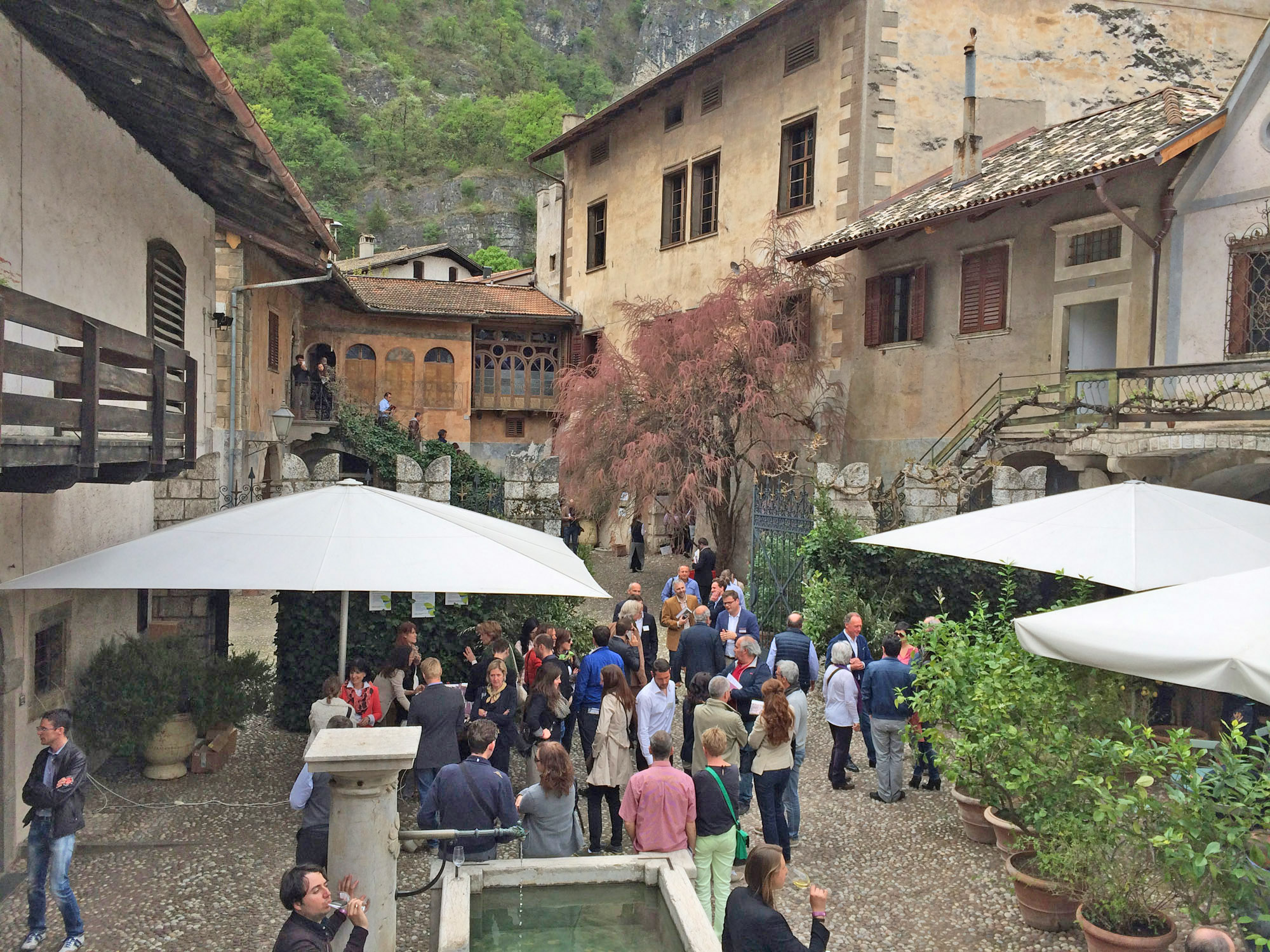
Participants at Summa 2014, held earlier this month at the 17th-Century palazzo of winemaker Alois Lageder in Magré, enjoy the surroundings of Casòn Hirschprunn.
Magré, BZ, Italy – Spring comes reluctantly to this northern-most part of Italy, hard by the snow-covered Dolomites and the crystal-clear headwaters of the Fiume Adige, which we English speakers call the Adige River.
This is a land of contrasts, as is most of the Italian wine-country landscape, you might argue.
But here, a few miles south of where Brenner Pass drops sinuously into Austria and where snowy peaks backlight lemon trees and olive trees growing in a understated Mediterranean climate, the contrasts are perhaps more noticeable.
This is the Südtirol/Alto Adige/South Tyrol, where road signs are in German and Italian and the flaxen-haired waitress (her German counterpart is Kelnerin while it’s cameriera in Italian) may address you in either language.
Or, quickly recognizing you as the tourist you are, speaks in lightly accented English.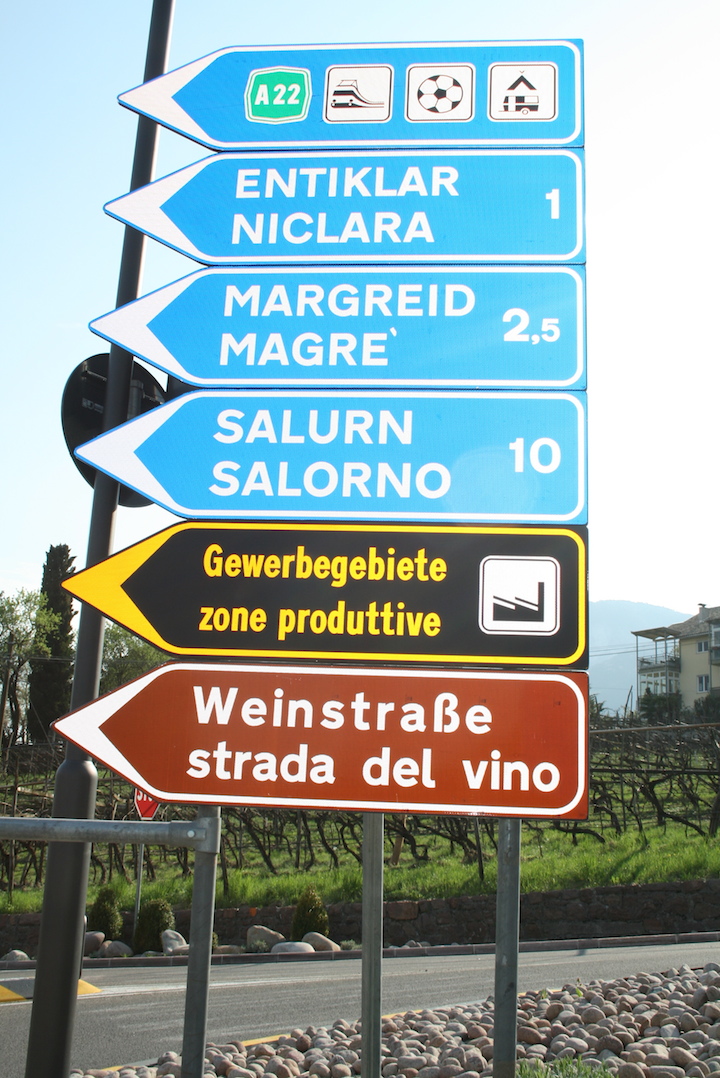
The Italy-Austria connection is strong, since this part of Italy was Austrian until the international borders shifted after World War I.
In fact, a shopkeeper in Bolzano insisted his city was the southern-most Austrian city in the world, and who was I to argue?
The contrasts also lay in the land, where miles of grapevines reach into the laps of the surrounding peaks bearing a mantle of white.
Because of the area’s history and its location, you find varieties of wine grapes – Müller-Thurgau, Lagrein and Gewurtztraminer among them – not common elsewhere in Italy.
You’ll also find many talented winemakers, perhaps none more talented than Alois Lageder, the fifth generation of his family to grow grapes and make wine here.
This spring, as he has the previous 13, Lageder invited to Magré a handpicked assortment of winemakers from Italy, German, Austria, France and elsewhere to participate in his two-day Summa at Casòn Hirshprunn, the family’s 17th-Century palazzo.
All of Lageder’s wines are made in close concordance with the biodynamic practices developed by Rudolph Steiner in the 1920s, a philosophy relying on a particular regimen of treating soil, plants and livestock.
While Steiner’s practices have long been popular in Europe (Germany has 45 percent of the world’s biodynamic acreage), it’s slower to take hold in the U.S.
This year’s Summa 2014 had its focus on biodynamic wines, an effort, according to the winery, to “show that biodynamic means forward-looking and has the answers to the issues that currently face both ecological agriculture and society in general.”
As Lageder says in the notes accompanying the Summa guidebook, to make the best wines possible “one also needs something more than healthy, fully-ripened grapes from the best vineyard sites. There is also a need for the right philosophy and for true human commitment.”
This commitment was reflected in the 60 or so winemakers, offering finely crafted white and red wines, as well as producers of select olive oils, cheeses and salume.
Winemakers were set up in the ancient, granite-walled granary as well as on several floors of the Palazzo, and the hardest decision was when and how often to stop, swirl and sip the proffered wines.
One stop in the granary was at Gut Hermannsberg of Nahe, Germany, which produces world-class Rieslings.
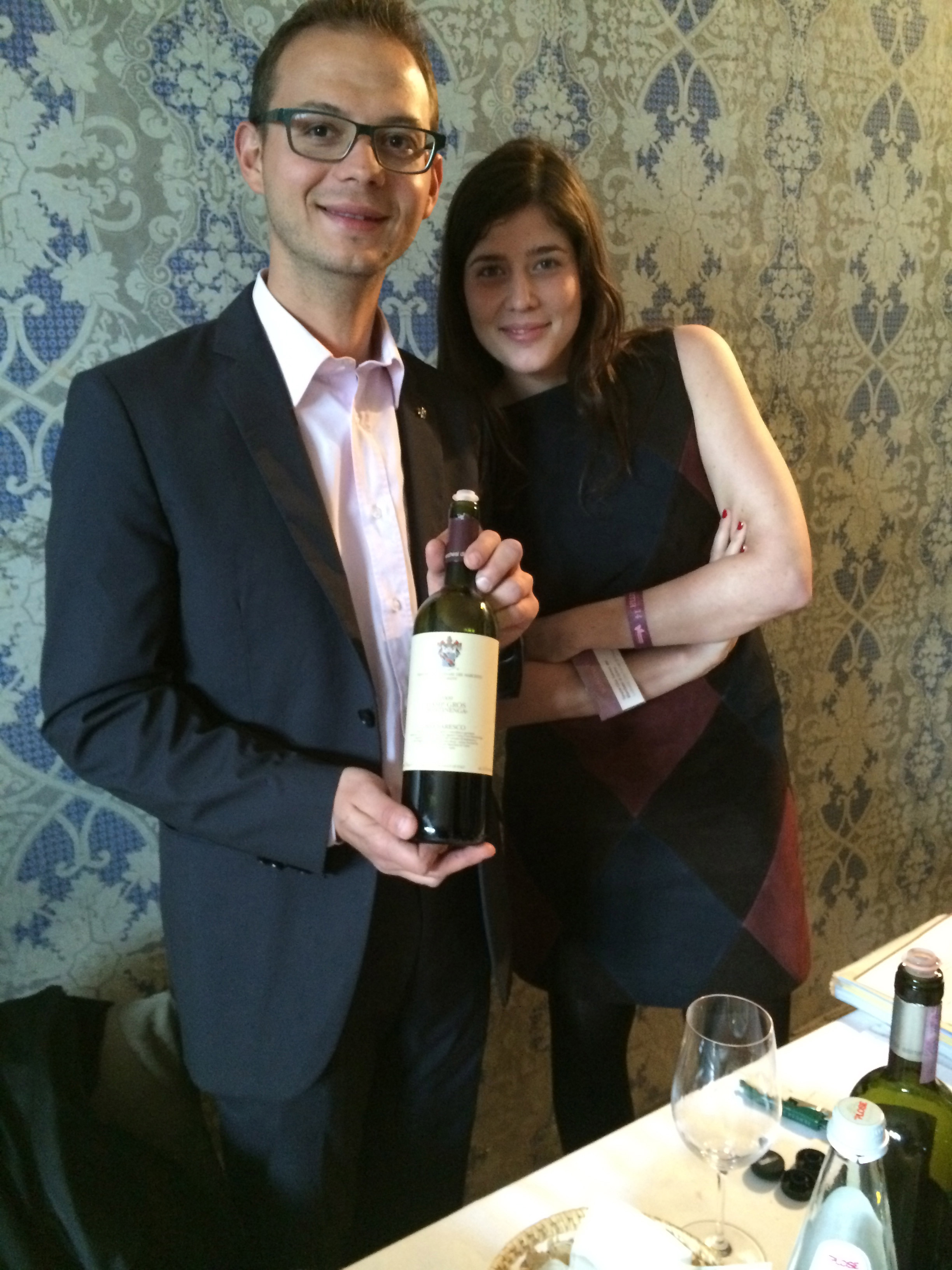
Winemaker Matteo Sasso and Ludovica Cisa Asinari dei Marchesi di Gresy show off their 2009 Tenute Cisa Asinari dei Marchesi di Gresy Barbaresco DOCG during Summa 2014.
Spokesman Christoph Freidrich opened a coffee table-sized book to a map of the Nahe region and showed how the landscape and the geology contributes to the stone-and-mineral, citrus-forward elegance of the wines.
“The land gives us the perfect opportunity to make delicious wines,” Friedrich said.
Across the stone plaza and up a flight of limestone stairs, young (23) winemaker Matteo Sasso, accompanied by Ludovica Cisa Asinari dei Marchesi di Gresy, gladly shared the 2009 Camp Gros Mattinenga Barbaresca DOCG from Tenute Cisa Asinari dei Marchesi di Gresy.
The di Gresy estate dates from 1797 and has vineyards in the Langhe and the Monferrato areas of Italy’s Piedmont region, home to Nebbiolo and some of the world’s greatest red wines.
The Barbaresco was bright and fresh, with a bouquet of roses and fresh herbs and a faint hint of red licorice on the finish.
And, of course, it’s all biodynamic, as Matteo noted.
“I want to do something good for the soil, the wines and for myself,” he said. “Doing this (biodynamic) allows me to feel good about everything I do, and to make these delicious wines.”
 Wine Openers